Creating Memorable Moments at a Cafe in Monument, CO
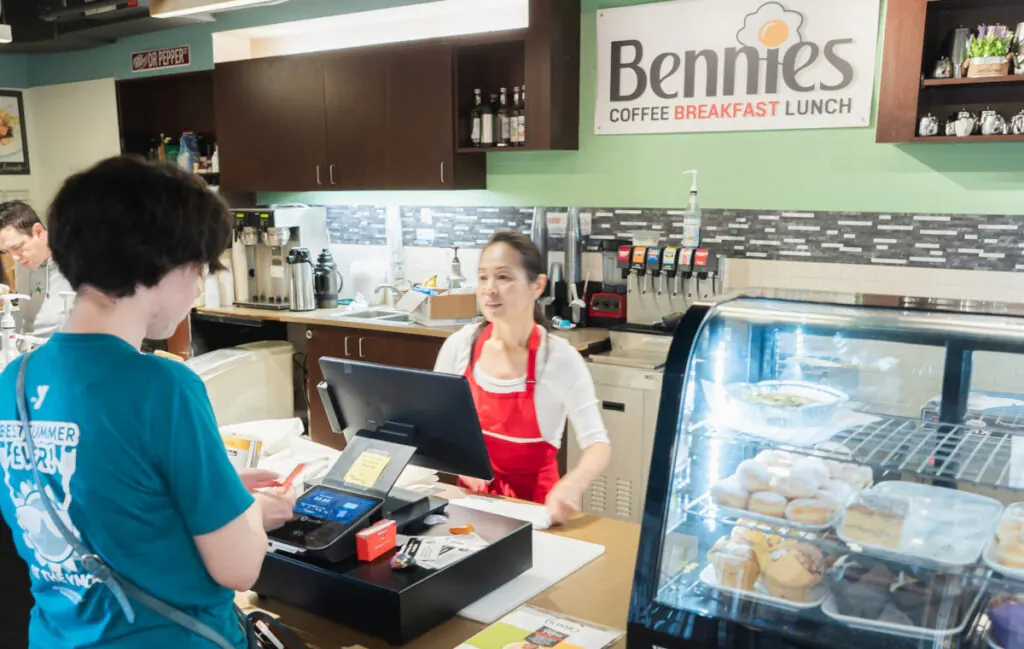
A good cafe does more than serve coffee. It gives people a reason to linger, return, and tell someone else about it later. In a town like Monument, that matters. People are not only looking for a quick latte on the way to work. They are looking for a place that fits the pace of the day, the season, and the community around them. They want a warm seat after a cold morning, a reliable table for a casual meeting, a treat after a hike, or a quiet corner while waiting for school pickup.
That is what makes creating memorable moments both simpler and more demanding in a place like this. Simpler, because people notice sincerity. Demanding, because small misses stand out. A drink handed over with no eye contact, a room that feels slightly off, a pastry case that looks tired by noon, these details carry weight. On the other hand, a well-timed refill, a window seat with winter light, or a barista who remembers the extra shot can turn an ordinary visit into the kind of experience people associate with a favorite Cafe Monument, CO regulars recommend without hesitation.
The strongest cafe experiences rarely come from one grand gesture. They come from a series of choices made well. The music level is right for conversation. The chair is comfortable enough to sit through a second cup. The menu has a few items with personality instead of too many forgettable options. Service feels attentive without being scripted. None of that happens by accident.
What people remember is rarely just the coffee
Coffee quality matters. There is no getting around that. If the espresso is bitter, or the drip tastes flat after sitting too long, no amount of nice decor will fully recover the visit. Still, once a cafe reaches a certain baseline of quality, memory starts to hinge on other factors.
People remember how a place made them feel. They remember whether they could hear the person across from them. They remember if their child was welcomed instead of merely tolerated. They remember whether someone behind the counter handled a mistake with grace. They remember how the room smelled when they walked in on a snowy morning. These are not soft details. They are operational details with emotional consequences.
In Monument, those moments often connect to rhythm and setting. A cafe here may see a mix of longtime locals, commuters heading toward Colorado Springs, remote workers, families, students, cyclists, and visitors passing through. Each group arrives with different needs, but they all respond to the same core signals: warmth, ease, competence, and a sense that the place knows what it is.
That clarity matters. A memorable cafe does not try to be everything to everyone. It decides what kind of hospitality it offers and executes that well. Maybe it is the town’s most comfortable morning stop, with fast service and excellent drip coffee. Maybe it leans into long conversations and slower afternoons. Maybe it becomes known for weekend pastries that people plan around. The most successful spaces pick a lane and still leave room for surprise.
Monument changes with the seasons, and a cafe should feel that
One of the pleasures of operating or visiting a cafe in Monument is that the environment gives you material all year long. The weather shifts. The light changes. Community routines move with school schedules, holiday traffic, and outdoor recreation. A memorable cafe notices this and responds.
In colder months, people want warmth in every sense. That means more than turning up the heat. It means drinks that arrive hot enough to stay enjoyable, not merely warm at handoff. It means textures that feel comforting, such as ceramic mugs for dine-in service or heavier seating materials that make a room feel grounded. It also means managing the front entrance so cold air does not swallow the room every time the door opens.
Spring and summer create different opportunities. Natural light becomes an asset, especially in morning hours. Outdoor seating, if available, needs more attention than owners sometimes expect. A patio with two unstable tables and no shade will not create many memories worth keeping. A patio with clean surfaces, water for dogs, a few planters, and thoughtful traffic flow can become the reason people choose your shop over another.
Autumn may be the most underrated cafe season. People settle back into routines. They crave familiarity again. This is often the best time to refine rituals, not just promotions. A recurring Thursday pastry special, a simple seasonal soup, or a community board that actually stays current can all strengthen a cafe’s role in daily life.
The room does half the talking
A cafe starts communicating before a word is spoken. The doorway, the menu board, the line flow, the sound level, the condition of the restrooms, the spacing between tables, all of it tells guests whether the place is attentive or careless.
Design does not have to be expensive to be persuasive. Some of the most appealing cafes I have seen use modest furniture and straightforward finishes, Cafe Monument, CO but the choices are coherent. Nothing feels random. Seating types match the intended use of the space. If you want people to stay for an hour, give them something better than a hard chair and a tiny round table. If you rely on grab-and-go morning volume, the front counter should not force every customer into a maze.
Several sensory details shape a guest’s memory more than owners sometimes realize:
- Lighting that flatters both faces and food
- Music that supports the room instead of dominating it
- Clear line flow from entry to order to pickup
- Seating variety for solo guests, pairs, and small groups
- Cleanliness that feels constant rather than rushed
Each of those affects behavior. Soft, natural-looking light encourages people to settle in and order again. Music with too much bass or volume shortens visits and strains conversation. Confusing pickup areas create stress that guests may not articulate, but they definitely feel. Even the distance between tables matters. A room can be lively without making strangers feel like accidental participants in one another’s conversations.
If the goal is to create memorable moments, then design should support micro-experiences. A seat by the window for journaling. A communal table that does not feel exposed. A bench where parents can park a stroller without blocking traffic. A shelf with locally made goods that feels curated, not cluttered. These are small interventions, but they shape the stories people tell later.
Service is where personality becomes real
Many cafes talk about hospitality. Fewer train for it in a way that holds up on a busy Saturday morning. Real hospitality is not exaggerated friendliness. It is awareness, timing, and consistency.
A skilled barista knows when a guest wants speed and when they want connection. They can answer a question about a single-origin pour-over without sounding rehearsed or superior. They can keep the line moving while still making a first-time visitor feel oriented. That balance is difficult, and it requires more than product knowledge.
Training should include practical judgment. How do you recover when a drink is made incorrectly and the customer is already late? How do you handle a regular who wants to chat when the line is ten people deep? How do you greet someone who seems uncertain without putting them on the spot? These situations happen daily, and each one affects memory.
A cafe in Monument also benefits from recognizing local patterns. The early customer grabbing coffee before the drive south has different needs than the retiree meeting friends midmorning. Parents with young children often need quick accommodation, a wiped table, a little patience at the register, and room to maneuver. Remote workers need outlets, reliable internet, and some confidence that they will not be rushed after one purchase, while owners still need to manage seat turnover fairly. These are not contradictions. They are service design questions.
A memorable experience often comes from something very simple: being noticed. A server who says, “We just pulled fresh blueberry scones out if you were thinking about pastry,” is not upselling in the crude sense. They are helping a customer have a better visit. A staff member who brings water to a table before being asked has created ease. A cashier who says, “If you’re staying, we’ll bring that over,” changes the tone of the entire interaction.
Menu choices should help the experience, not distract from it
There is a common mistake in cafe menu planning. Owners worry that not having enough options will limit appeal, so they add and add until the board becomes crowded and the kitchen slows down. Guests then spend longer ordering, staff lose confidence, and signature items disappear into the clutter.
Memorable cafes edit. They know their strengths. A concise menu signals confidence and makes room for excellence. That does not mean being sparse for the sake of trendiness. It means understanding what customers actually order, what travels well from counter to table, what your team can execute under pressure, and what supports your identity.
In a community-oriented setting, memorable items often have a story or practical fit. Maybe a breakfast sandwich uses bread from a nearby baker. Maybe a mocha recipe has just enough depth to feel house-made instead of syrupy. Maybe the soup changes with weather and sells out on purpose, which is better than keeping a mediocre option all day. These are not dramatic concepts. They are useful ones.
The best menu moments often come from contrast. Something familiar, done extremely well, earns trust. Something slightly unexpected, offered with restraint, creates interest. A cafe can build loyalty with a strong drip coffee and a very good chocolate chip cookie as surely as with an elaborate specialty drink. In fact, the simpler items usually reveal more about operational discipline. It is hard to hide a weak pastry program or inconsistent brew behind branding.
Pricing also contributes to memory. Guests do not expect a cafe to be cheap, especially with ingredient and labor costs where they are. They do expect value to feel coherent. If a customer pays premium prices, they should see and taste where that value lives, whether in ingredient quality, portion, presentation, service, or atmosphere. If prices feel detached from the experience, even beautiful spaces lose repeat business.
The moments that turn first-time visitors into regulars
Regulars are not created by loyalty cards alone. They are created when a visit becomes emotionally easy. A person returns because they trust the place to deliver something specific, whether that is calm, consistency, friendliness, or a little pleasure in the middle of a demanding day.
At a Cafe Monument, CO residents revisit often, familiarity grows quickly. Staff may begin to recognize names, orders, routines, or preferred seats. That familiarity must be handled with tact. Some guests love being remembered. Others prefer privacy. The skill lies in warmth without assumption. “Good to see you again” works better than loudly announcing someone’s usual order across the room.
There is also a subtle but important difference between recognition and dependence on recognition. A good cafe feels welcoming even if nobody knows your name. A great one becomes better over time, but not exclusionary. New customers should never feel like they walked into a private club for locals.
When cafes get this right, memorable moments start compounding. A student studies there all winter and brings family when they visit. A couple stops in after a walk and later chooses the same place for a casual anniversary breakfast. A local business owner holds an informal meeting there and ends up recommending it to clients. None of this requires manufactured charm. It requires reliability with a human face.
Small events and community rituals matter more than big promotions
Promotions can create traffic, but rituals create attachment. That distinction is worth sitting with. A discount may get someone through the door once. A recurring event, a seasonal expectation, or a recognizable act of generosity gives people a reason to build the cafe into their lives.
For a town-oriented cafe, the most effective community touches are usually modest:
- A monthly local artist feature with a short opening reception
- Early coffee service on select community event days
- A simple holiday drink launch tied to a local tradition
- A donation jar or give-back day for a nearby cause
- A recurring pastry or soup that regulars anticipate
None of these require a huge marketing budget. What they require is follow-through. If you host local art, hang it well and label it clearly. If you say you open early during a town event, be fully ready, not half prepared. If you support a cause, make the effort feel genuine rather than opportunistic.
The most successful community rituals share another trait: they match the scale of the business. A small cafe should not try to mimic a large chain’s promotional calendar. It should lean into what smaller operations do better, which is intimacy, flexibility, and local relevance.
Families, workers, and visitors all need different kinds of welcome
Monument attracts a mix of daily life and pass-through traffic. Some guests know exactly where they are and what they want. Others found the cafe while traveling or after a day outdoors. Memorable spaces prepare for both.
Families often notice details other customers overlook. Is there enough room to get a stroller inside? Are there one or two menu items children can reliably eat? Are staff patient when ordering takes longer? Is there a place to sit that does not make parents feel they are in everyone’s way? These are practical considerations, not special treatment.
Remote workers and informal business guests care about a different set of signals. They notice outlet access, table height, stable internet, and whether the room supports concentration at non-peak hours. They also notice when a cafe tries too hard to be a workspace and loses its hospitality. There is a balance here. A cafe should not become a free office with one drip coffee per table all day. At the same time, many profitable weekday patterns depend on people who stay longer and order in waves. Clear expectations, comfortable furniture, and subtle service cues usually work better than rigid posted rules.
Visitors passing through often respond to orientation. They may appreciate a brief recommendation, a mention of a house specialty, or a pointer toward local favorites. A small amount of guidance can make a first visit feel personal without slowing service much at all.
Recovery matters as much as perfection
Even the best-run cafe will make mistakes. Orders get mixed up. Milk runs short. A pastry burns. A rush hits thirty minutes earlier than expected. The memorable part is not the mistake itself, but how it is handled.
Customers are surprisingly forgiving when the response is competent and calm. A sincere apology, a quick remake, and a little Cafe Monument, CO ownership from staff usually preserve trust. Defensive explanations do the opposite. Most guests do not need a long reason. They need confidence that someone is paying attention.
From an operations standpoint, recovery should be practiced, not improvised every time. Staff should know when they can comp a drink, when to escalate, and how to communicate delays before frustration builds. If there is a fifteen-minute wait for food, say that up front. If the espresso machine is acting up, tell people before they order a second round. Transparency prevents disappointment from becoming resentment.
Interestingly, some of the strongest customer loyalty I have seen came after a problem was handled well. People remember competence under pressure. A cafe that recovers gracefully signals maturity, and maturity is attractive.
The business side of memorable moments
There is a tendency to talk about hospitality as if it exists apart from operations. It does not. Memorable moments cost money, time, training, and focus. They are the product of systems done well enough that staff have room to be present.
If inventory is chaotic, key menu items will disappear too often. If scheduling is weak, one overextended employee will drag the feel of the entire room down. If cleaning routines are vague, the cafe may look fine at opening and worn out by 11 a.m. If margins are too thin on a labor-heavy item, staff may rush it or resent making it. Experience quality and financial discipline are linked.
That is why the most memorable cafes are usually selective. They do not chase every trend. They invest where guests truly notice. Often that means better training, more deliberate seating, fresher pastry turnover, or tighter menu engineering rather than splashy redesigns. It means knowing which upgrades produce repeat visits and which simply look impressive on social media.
For a Cafe Monument, CO business hoping to stand out, that discipline is especially valuable. Local reputation travels quickly in a town setting. So does disappointment. A cafe does not need to impress everyone. It needs to serve its intended guests so well that word of mouth becomes natural.
What stays with people after they leave
Long after people forget the exact price of a cappuccino, they remember the feel of the place. They remember whether they exhaled when they sat down. They remember if the room felt cared for. They remember if they were rushed, welcomed, ignored, or pleasantly surprised. That is the real material of memorable moments.
Creating those moments at a cafe in Monument, CO is not about theatrics. It is about thoughtful repetition. Good coffee brewed consistently. A room that fits the town and the season. Staff who know how to be attentive without performing. Food that earns its place on the menu. Small rituals that connect the business to everyday life. Recovery that builds trust when things go wrong.
When all of that comes together, a cafe becomes more than a stop. It becomes part of how people experience the town itself. That is a high standard, but it is also an attainable one. In my experience, guests do not need perfection. They need a place with character, care, and enough consistency that the next visit feels worth anticipating. That is how ordinary mornings turn into memories, and how a local cafe becomes one of the places people miss when they are away.
Bennies Cafe
17230 Jackson Creek Pkwy Ste 100, Monument, CO 80132
+1 719-445-0660
FAQ About Cafe Monument, CO
What is considered a café?
A café is generally an informal place to enjoy refreshments and a meal. Bennies Cafe in Monument serves breakfast and lunch in a counter-service setting, with options including eggs Benedict, sandwiches and crepes. Guests can eat in or arrange pickup.
What is the difference between a coffee shop and a café?
The terms often overlap. A coffee shop usually emphasizes coffee and other drinks, while a café may offer a broader food menu. Check the individual establishment's menu rather than relying on its name. Bennies Cafe offers coffee drinks alongside breakfast and lunch dishes.
What is the difference between café and coffee?
In everyday English, a café is a place where people buy food and drinks, while coffee is the beverage. The word café comes from the French word for coffee. Bennies Cafe serves options such as brewed coffee, espresso and lattes as part of its drinks menu.