The Everyday Magic of a Cafe in Monument, CO
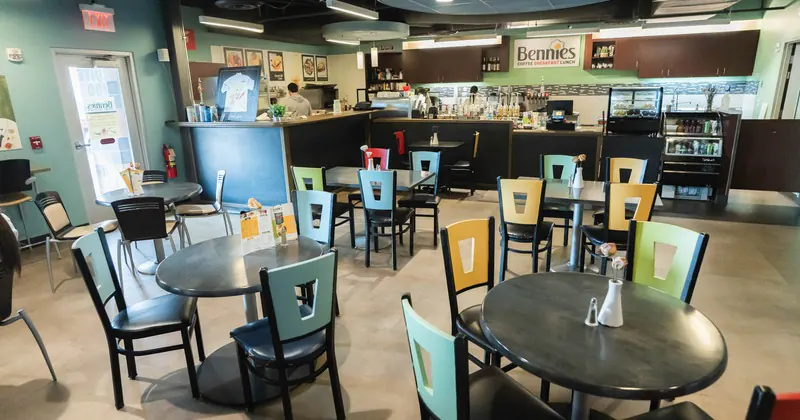
There is a particular kind of comfort that only a neighborhood cafe can provide. It is not flashy, and it rarely announces itself with big claims. It shows up in smaller ways: a warm mug set down on a wood table, the low sound of conversation that never tips into noise, the barista who remembers how you take your coffee, the window seat that turns an ordinary morning into a better one. In a place like Monument, that comfort carries extra weight. Life here moves with a distinct rhythm, shaped by weather, altitude, work, school schedules, and the steady pull between quiet mountain living and the Front Range commute. A good cafe meets all of that without trying too hard.
That is the everyday magic of a cafe in Monument, CO. It becomes part of the town’s routine while still offering a small break from it. It can be a workspace, a meeting spot, a shelter from an icy wind, or the first stop after a weekend hike. It can hold a quick ten-minute coffee run and a two-hour conversation with equal grace. People often talk about cafes as if they are interchangeable, but anyone who spends time in one knows better. The best cafes reflect the place they belong to, and Monument has a character all its own.
Why cafes matter more in a town like Monument
Monument sits in an interesting middle ground. It is not a remote mountain outpost, but it also does not feel like a generic suburban corridor. That balance shapes the role a cafe plays. In larger cities, coffee shops can become anonymous, efficient spaces where people rotate in and out. In a smaller community, the same space often carries more social meaning. People do not just consume coffee there. They reconnect, reset, and pay attention.
A Cafe Monument, CO regular might include a parent after school drop-off, a contractor grabbing breakfast before a job, a retiree meeting a friend, a remote employee looking for two focused hours, or a cyclist warming up after an early ride. On paper, those routines have little in common. In practice, the cafe gives them common ground. That is one reason these places matter. They create a shared room for people whose lives might otherwise run in parallel.
There is also the climate. Monument’s weather can turn a cup of coffee into more than a habit. Winter mornings at elevation have a way of making the first warm drink feel earned. Even in brighter seasons, the air tends to stay crisp enough that a hot latte or drip coffee never feels out of place. When afternoon thunderstorms roll through in summer, a cafe becomes the kind of refuge people appreciate without needing to say much about it. The atmosphere is not just décor. It is a response to the environment.
The first thing people notice, even if they do not say it out loud
Most people think they judge a cafe by the coffee first. That is true eventually, but before that comes something more instinctive. The room either welcomes you or it does not. Light matters. So does layout. So does whether the space has enough energy to feel alive without making conversation difficult. These details are easy to dismiss as design choices, but they have practical effects.
A well-run cafe knows where customers hesitate. They hesitate at the menu if it is cluttered. They hesitate near the register if the line feels cramped. They hesitate before settling in if every table seems claimed by laptops and bags. Good spaces reduce that friction. They make the room legible. You can tell where to order, where to wait, where to sit, and whether you are welcome to stay for a while. That ease is part of the product, even though nobody rings it up separately.
In Monument, where many customers are not looking for speed alone, comfort counts. People often want a place that feels grounded and unpretentious. They are not asking for theatrical coffee culture. They want quality, consistency, and a setting that lets them exhale. Rustic materials, natural light, and practical seating tend to work well here, but style alone does not create warmth. Staff presence does. A simple greeting at the counter can change the tone of a visit more than any expensive renovation.
Coffee quality still sets the floor
Atmosphere may invite people in, but the drinks keep them honest. A charming room cannot cover for stale beans, careless extraction, or milk that has been steamed into foam with no sweetness left in it. Over the years, coffee customers have become much more knowledgeable. They may not use technical terms, but they know when a cappuccino tastes flat, when brewed coffee has been sitting too long, or when espresso is pulled with no attention at all.
In a town like Monument, quality often means balance rather than showmanship. Not everyone wants intensely acidic light roasts or experimental drink menus. Many people want a cup that tastes clean, full, and reliable. That sounds simple. It is not. Consistency in coffee service comes from disciplined habits: dialing in espresso throughout the day, watching brew times, storing beans properly, purging steam wands, cleaning equipment on schedule, and training staff so drinks do not change dramatically from one shift to the next.
There is also a practical side to serving coffee at altitude. Water temperature, extraction behavior, and even baking performance can present subtle differences compared with lower elevations. Experienced operators pay attention to those variables because small adjustments matter. Customers may never know why a cafe’s drip coffee tastes especially smooth on a cold morning, but often there is real technical judgment behind that result.
What stands out in the best local cafes is not perfection in every cup. It is care. You can taste the difference between a drink made by routine and one made by attention. That difference builds trust. Over time, trust matters more than novelty.
The quiet art of becoming a regular place
Every strong cafe has regulars, but not every cafe understands what regulars actually want. It is not just familiarity. It is predictability with enough life in it to avoid feeling mechanical. People return because the place fits into their day smoothly. Their order comes out right. The music is present but not distracting. The seating does not feel like a contest. The staff strike a difficult balance between friendliness and respect for privacy.
That balance is harder than it sounds. A cafe can become too chatty, especially in smaller towns where people know one another well. It can also become too detached, which drains the room of character. The right approach depends on reading people accurately. Some customers want conversation at the register. Others are on a deadline and appreciate speed. Some enjoy being recognized. Others simply want the comfort of a familiar place without personal attention. Good staff learn those distinctions through observation, not scripts.
Regulars also shape the tone of a cafe for everyone else. When a space has a loyal core of customers who treat staff well, clean up after themselves, and share tables gracefully, the room feels more welcoming. That culture is fragile. Once a cafe becomes dominated by people who treat it as private office space without consideration for turnover or crowding, the mood changes. Operators who manage this well make small interventions before problems become habits. They adjust furniture, set gentle expectations, and stay present on the floor.
Food is rarely an afterthought, even when coffee gets the spotlight
People often talk about cafes as if coffee is the main event and food is just support. In reality, food does more than most customers realize. It broadens the hours when a cafe is useful, increases the chances people will stay, and gives non-coffee drinkers a reason to participate. In a place like Monument, where people may arrive after a morning trail outing or before a long work block, a strong food offering matters.
That does not mean a cafe needs an oversized menu. In fact, concise menus often perform better. What matters is whether the food makes sense for the pace and identity of the space. Fresh pastries can make a room feel generous at opening time. A dependable breakfast sandwich can carry real value on a weekday morning. A soup, quiche, or panini can quietly turn a coffee stop into lunch. The common thread is that cafe food should feel intentional, not filler.
There is also a discipline to simple food done well. Baked goods need proper turnover. Sandwich components need to hold up under service pressure. Reheated items must still taste fresh enough to justify their place on the menu. Customers are forgiving of limited selection. They are far less forgiving of food that feels careless. In my experience, the cafes people remember fondly are rarely the ones with the most options. They are the ones where a muffin is still tender at noon, the toast is served hot, and nothing arrives with the sense that it has been waiting around.
The many jobs a cafe performs in a single day
One reason a local cafe feels almost magical is that it changes function by the hour without changing identity. At seven in the morning, it may be all motion: jackets coming off, orders called, commuters checking the time, sunlight barely coming up over the lot. By late morning, the room often slows into something softer. Laptops open. Conversations lengthen. A second cup appears. Around lunch, parents meet, small business owners talk over plans, and travelers passing through stop for a brief reset. By midafternoon, the tone can shift again as students arrive or people duck in for a final caffeine lift.
That flexibility does not happen by accident. It is the result of a space designed to absorb different needs without making any one group feel out of place. Some cafes never solve this problem. They become too work-focused and lose their social warmth, or too social and unusable for anyone trying to read or write. The best ones adjust through subtle means, seating mix, pacing at the counter, music volume, and the natural authority of staff who understand the room.
For Monument residents, that range is especially valuable. The town includes long-time locals, newer families, military-connected households, remote workers, and visitors drawn to the area’s scenery and pace. A good cafe can serve all of them in one day because coffee culture, at its best, is less about trend and more about hospitality.
What visitors often miss, and locals never do
Visitors tend to notice surface details first. They remember whether the latte art looked nice, whether the pastry case was full, whether they found parking easily. Locals pay attention to a different set of signals. They notice whether quality stays steady over months. They notice if prices rise faster than the experience improves. They notice whether staffing feels settled or chaotic. They notice if a place still feels welcoming after popularity grows.
Those observations matter because local loyalty is earned slowly and lost quickly. A cafe can survive on novelty for a while, especially if it benefits from weekend traffic or strong word of mouth. But long-term health usually depends on people who return twice a week, sometimes more. They are not chasing spectacle. They are looking for a place that respects their time, their money, and their routine.
I have seen cafes thrive not because they were the most ambitious, but because they understood that reliability is a form of care. They opened on time. They kept core menu items available. They trained people properly. They responded when service slipped. They resisted the temptation to overcomplicate what customers already loved. That kind of discipline rarely makes headlines, but it is the backbone of local trust.
The economics behind the warmth
It is easy to romanticize cafes because the customer experience feels cozy and personal. Behind that atmosphere, though, is a business with tight margins and constant operational pressure. Coffee itself can offer decent margin potential, but labor, rent, equipment maintenance, ingredient costs, and seasonal fluctuations all add weight. Add food service, and complexity rises fast.
This is important context when people talk about what they want from a local cafe. Fair prices, generous portions, skilled staff, long hours, comfortable seating, pristine restrooms, fast Wi-Fi, and house-made pastries all sound reasonable, because each one is reasonable in isolation. Together, they require disciplined management. That is especially true in communities where customer volume may vary by weekday, weather, school calendar, and tourist traffic.
The best operators make dozens of small judgment calls that customers may never see. They decide how many pastries to bake or order for a Tuesday in February versus a Saturday in June. They balance table turnover against the goodwill created by letting people linger. They train staff to move efficiently without making service feel rushed. They choose which menu items earn their place and which ones quietly drain time or profit. When a cafe in Monument feels effortlessly welcoming, effort is exactly what made that possible.
Why the setting changes the experience
A cafe in Monument, CO is shaped by more than its Cafe Monument, CO four walls. The surrounding town enters the room with every customer. People come in carrying the day’s weather on their coats, local news in their conversations, and the habits of a community that still values recognizable places. That is part of why local cafes in smaller towns can feel more personal than cafes in busier urban centers. The relationship runs both ways. The business serves the community, and the community gives the business meaning.
Monument’s setting also encourages a slower kind of appreciation. Views matter here. Seasons feel real. Mornings can start sharp and clear, with the kind of cold that makes interior warmth feel vivid. During those hours, even an ordinary ceramic mug can seem to anchor the whole day. That is not sentimentality. It is the practical psychology of comfort. A cafe provides a controlled, human-scale environment in contrast to the wide-open conditions outside. People respond to that contrast more deeply than they often realize.
It also makes cafes natural gathering points after shared local experiences. A family stops in after youth sports. Friends meet after a hike. Someone heads over after errands along Highway 105. A resident catches up with a neighbor they have not seen in months. These are not grand events, but they are the real substance of community life. The cafe becomes a witness to them, then eventually a participant in them.
What people are really looking for when they search for a local cafe
When someone searches for a Cafe Monument, CO location, they are rarely searching for coffee alone. They are often searching for a certain feeling attached to coffee. They want somewhere dependable before work, somewhere pleasant enough to meet a client, somewhere calm enough to think, or somewhere warm enough to wait out an hour. The drink is part of it, but the setting, the service, and the mood do equal Bennies Cafe Cafe Monument, CO work.
That is why the best cafes resist becoming too generic. They can offer efficiency without feeling transactional. They can be polished without becoming sterile. They can appeal to visitors while still feeling owned, emotionally, by the people who live nearby. These are subtle achievements, and they tend to come from owners and staff who understand that hospitality is not performance. It is attention, repeated daily.
A memorable cafe does not need to chase every trend or reinvent itself every season. It needs to know what kind of place it wants to be and deliver that identity consistently. For Monument, that often means genuine warmth, strong coffee, thoughtful food, and a room that can hold both solitude and conversation. When those pieces come together, the result feels larger than the menu would suggest.
The small ritual that improves a day
There is something grounding about returning to the same cafe often enough that the ritual begins before you walk in. You know where you like to sit. You know the hours when the room is busiest. You know whether you want a full breakfast or just a pastry with your drink. Over time, these details become part of how you organize a day that might otherwise feel scattered.
That is the quiet power of a neighborhood cafe. It takes a routine act, buying a coffee, and gives it shape, place, and a little dignity. In Monument, where daily life often blends movement, weather, work, and family obligations, that kind of anchor matters. A good cafe does not solve big problems. It does something both humbler and more useful. It creates a reliable pocket of ease.
For some people, that means fifteen calm minutes before a meeting. For others, it means a place to reconnect with a friend, read a few pages, or simply look out the window with a hot cup in hand. Those moments are ordinary, but they are not trivial. They improve the texture of a day. Enough of them, repeated over months and years, improve the texture of a town.
That is the everyday magic. Not spectacle, not hype, just a local place doing its work well enough that people feel more settled when they leave than when they arrived. In a community like Monument, that is not a small thing. It is part of what makes the place feel like home.
Bennies Cafe
17230 Jackson Creek Pkwy Ste 100, Monument, CO 80132
+1 719-445-0660
FAQ About Cafe Monument, CO
What is considered a café?
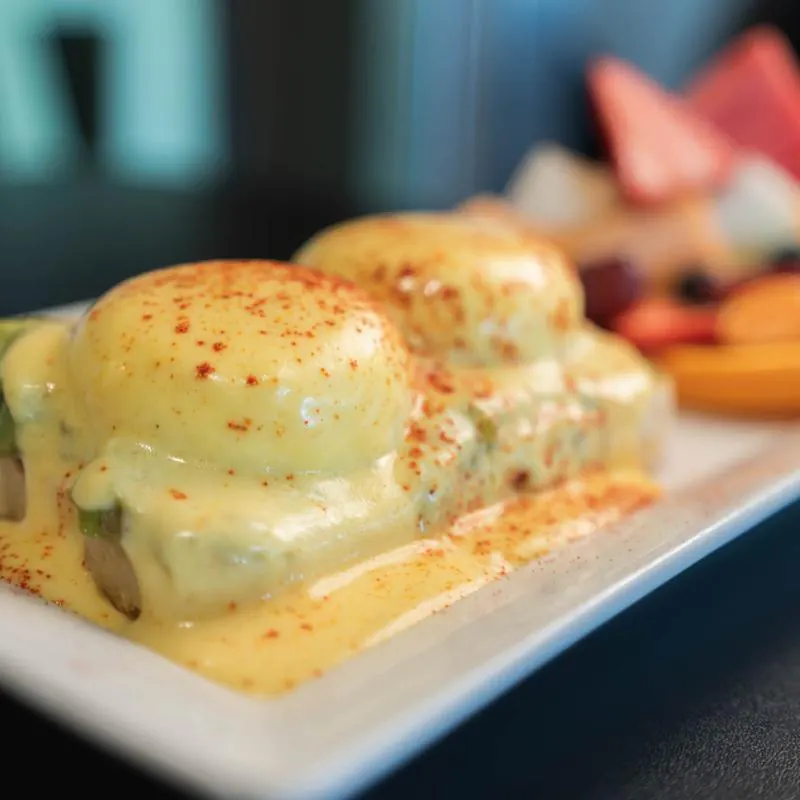
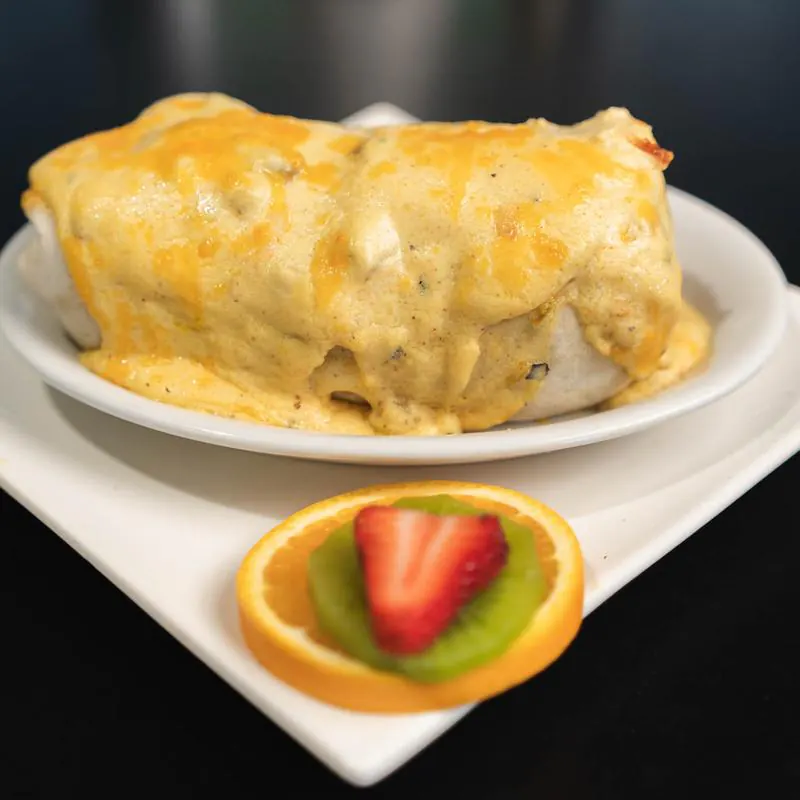
A café is generally an informal place to enjoy refreshments and a meal. Bennies Cafe in Monument serves breakfast and lunch in a counter-service setting, with options including eggs Benedict, sandwiches and crepes. Guests can eat in or arrange pickup.
What is the difference between a coffee shop and a café?
The terms often overlap. A coffee shop usually emphasizes coffee and other drinks, while a café may offer a broader food menu. Check the individual establishment's menu rather than relying on its name. Bennies Cafe offers coffee drinks alongside breakfast and lunch dishes.
What is the difference between café and coffee?
In everyday English, a café is a place where people buy food and drinks, while coffee is the beverage. The word café comes from the French word for coffee. Bennies Cafe serves options such as brewed coffee, espresso and lattes as part of its drinks menu.